Inflammation is the body's natural defense mechanism. When you get injured or sick, inflammation helps your immune system respond and heal. However, when inflammation becomes chronic, it can contribute to a wide range of health issues, including heart disease, arthritis, diabetes, digestive disorders, and autoimmune conditions.
The good news is that diet can play a powerful role in reducing inflammation. By incorporating nutrient-rich, anti-inflammatory foods into your daily meals, you can support your body's natural healing processes and promote long-term health.
1. Fatty Fish
Fatty fish such as salmon, sardines, mackerel, and trout are rich in omega-3 fatty acids. These healthy fats help reduce inflammatory markers in the body and support heart and brain health.
Try including fatty fish in your diet two to three times per week for optimal benefits.
2. Kiwifruit
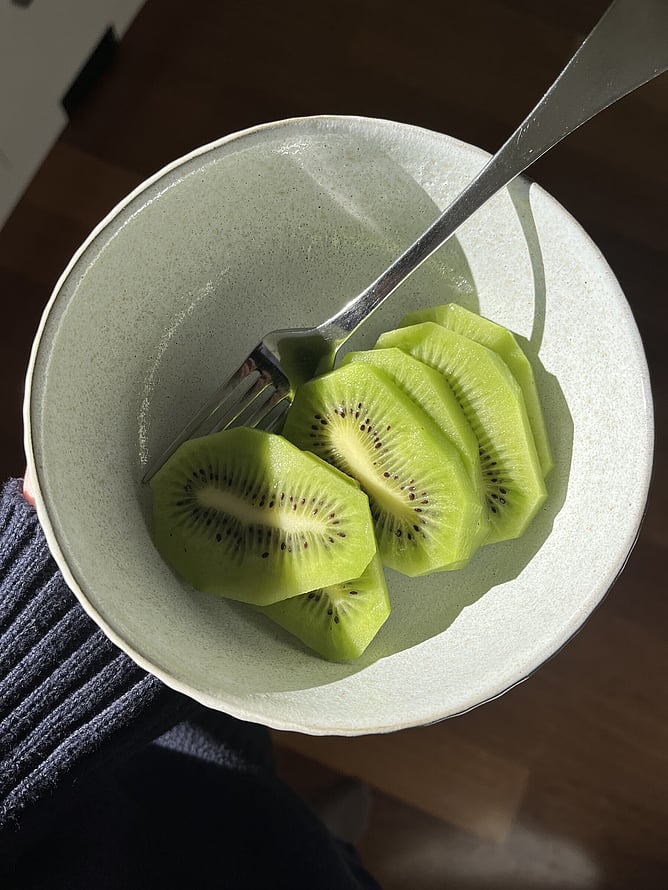
Kiwifruit is packed with vitamin C, antioxidants, and dietary fiber, making it a valuable addition to an anti-inflammatory diet. The antioxidants in kiwifruit help protect cells from oxidative stress, while its fiber content supports gut health—an important factor in regulating inflammation throughout the body.
Enjoy kiwifruit on its own, added to fruit salads, blended into smoothies, or served with yogurt for a nutritious snack.
3. Berries
Blueberries, strawberries, raspberries, and blackberries are packed with antioxidants called anthocyanins. These compounds help combat oxidative stress and may reduce inflammation throughout the body.
Enjoy berries fresh, frozen, in smoothies, or as a topping for yogurt and oatmeal.
4. Leafy Green Vegetables
Spinach, kale, Swiss chard, and other leafy greens provide vitamins, minerals, and antioxidants that help protect cells from damage. They're also rich in fiber, which supports a healthy gut—an important factor in managing inflammation.
Aim to include a serving of leafy greens in your meals every day.
5. Extra Virgin Olive Oil
A staple of the Mediterranean diet, extra virgin olive oil contains a powerful antioxidant called oleocanthal. Research suggests it may have effects similar to some anti-inflammatory medications, helping to reduce inflammation naturally.
Use it in salad dressings, drizzled over vegetables, or for light cooking.
6. Nuts and Seeds
Almonds, walnuts, chia seeds, flaxseeds, and pumpkin seeds provide healthy fats, fiber, and antioxidants. Walnuts and flaxseeds are particularly rich in omega-3 fatty acids, which help support the body's anti-inflammatory response.
A small handful of nuts makes a nutritious and satisfying snack.
7. Turmeric
Turmeric contains curcumin, a compound known for its potent anti-inflammatory properties. Curcumin has been extensively studied for its potential to help manage inflammatory conditions and support overall wellness.
For better absorption, combine turmeric with black pepper when cooking.
8. Tomatoes
Tomatoes are rich in vitamin C, potassium, and lycopene, an antioxidant linked to reduced inflammation and improved cardiovascular health.
Cooking tomatoes can actually increase the availability of lycopene, making sauces and soups excellent options.
9. Green Tea
Green tea contains polyphenols and catechins, antioxidants that help protect the body from inflammation and cellular damage. Regular consumption may also support heart health and healthy aging.
Replacing sugary drinks with green tea is a simple way to boost your intake of anti-inflammatory compounds.
10. Avocados
Avocados are loaded with heart-healthy monounsaturated fats, fiber, potassium, and antioxidants. These nutrients work together to help reduce inflammation and support overall health.
Add avocado to salads, sandwiches, smoothies, or enjoy it on whole-grain toast.
11. Garlic and Ginger
Both garlic and ginger have been used for centuries in traditional medicine. They contain bioactive compounds that may help lower inflammation and support immune function.
Adding fresh garlic and ginger to meals is an easy way to enhance both flavor and health benefits.
Foods That May Promote Inflammation
While adding anti-inflammatory foods is important, reducing foods that can contribute to chronic inflammation is equally beneficial. These may include:
Highly processed foods
Sugary beverages
Excessive refined carbohydrates
Deep-fried foods
Processed meats
Excessive alcohol consumption
Moderation is key, and small dietary changes can make a meaningful difference over time.
Final Thoughts
An anti-inflammatory diet isn't about following strict rules or eliminating entire food groups. It's about consistently choosing whole, nutrient-dense foods that support your body's natural ability to heal and thrive.
By filling your plate with colorful fruits and vegetables, healthy fats, quality protein, and antioxidant-rich foods, you can help reduce inflammation naturally and support better overall health. As always, if you have a chronic health condition or specific dietary concerns, consult a healthcare professional before making significant changes to your diet.